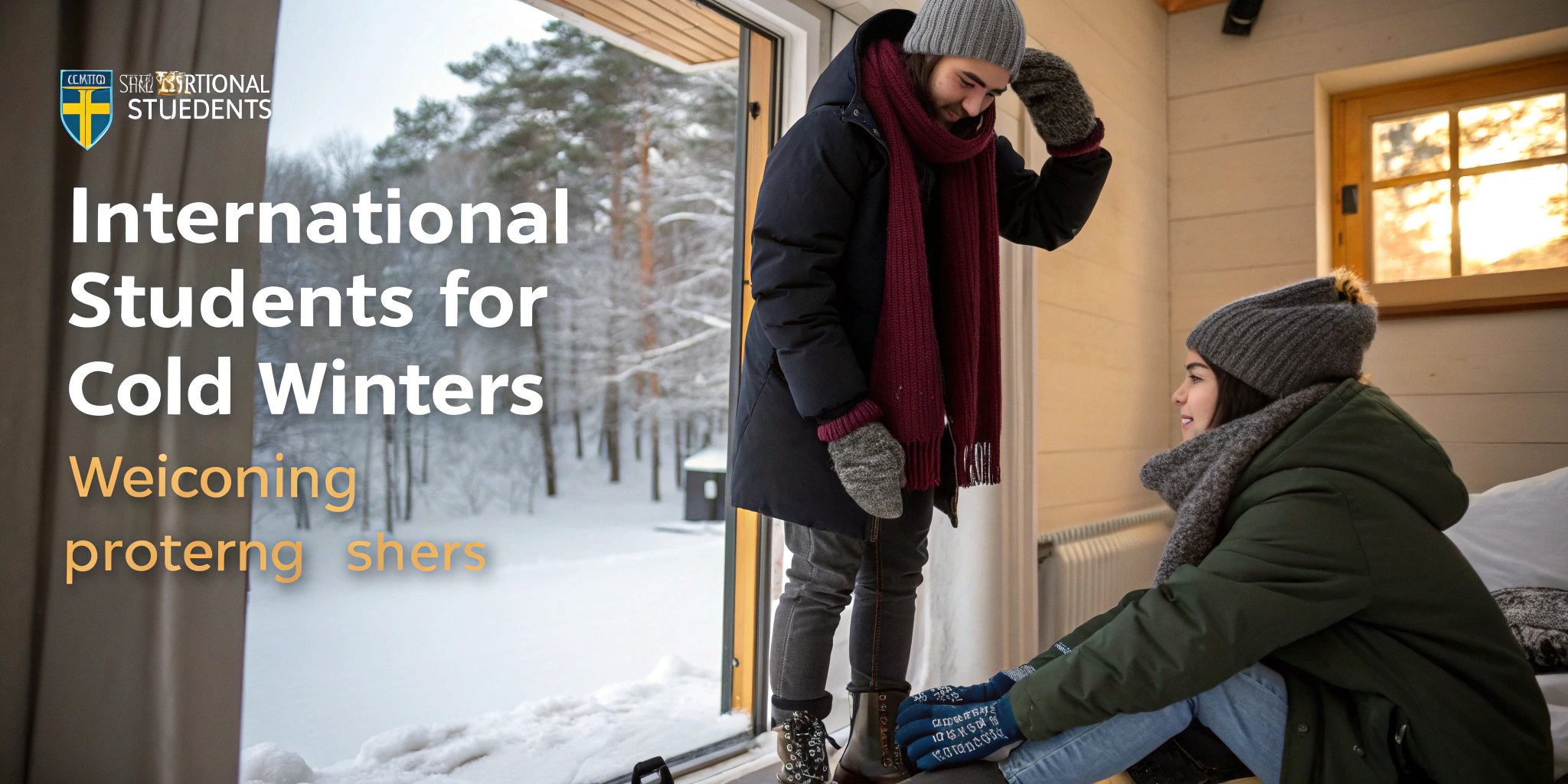
How to Prepare for Sweden’s Cold Winters as a Student: Essential Tips for International Students
Quick Navigation
- Understanding the Challenges of Swedish Winters
- Dress in Layers and Choose Appropriate Clothing
- Check the Weather Daily to Dress Smartly
- Combat the Darkness and Support Your Health
- Stay Active and Maintain Social Connections
- Prepare Early and Respect the Winter Weather
- Summary Checklist
- How Study in Sweden Supports Your Winter Preparation
- Conclusion
Understanding the Challenges of Swedish Winters
Swedish winters typically begin as early as October or November and last until March or April. In northern Sweden, these months bring not only freezing temperatures but also extended periods of darkness, with daylight sometimes lasting only a few hours per day. This combination of cold and limited sunlight can affect mood, health, and daily activities.
For international students, being prepared physically and mentally for these conditions is paramount to enjoying the Swedish student experience fully.
Dress in Layers and Choose Appropriate Clothing
Proper clothing is the foundation of staying warm and comfortable during the harsh Swedish winter. Layering is a highly effective strategy, allowing students to adjust their attire according to indoor and outdoor temperatures.
Key Clothing Tips:
- Invest in a high-quality winter coat: Opt for an insulated, windproof coat that covers your hips to maximize warmth.
- Wear thermal underwear: Wool or wool-blend thermal layers serve as excellent insulation against the cold.
- Waterproof boots are essential: Snow, slush, and icy conditions are common. Waterproof footwear with good traction helps keep feet dry and prevents slips and falls.
- Use accessories wisely: Hats, scarves, and gloves protect vulnerable areas such as the head, neck, face, and hands from biting cold and wind.
By paying attention to these clothing essentials, students can maintain body heat effectively and reduce the risk of cold-related illnesses.
Check the Weather Daily to Dress Smartly
Swedish weather can be unpredictable, and the “feels like” temperature often differs significantly from the thermometer reading due to wind chill and humidity.
- Make it a daily habit to check the weather forecast each morning.
- Monitor temperature, wind speed, and precipitation to select appropriate clothing layers.
- Adjustments based on daily weather can prevent discomfort and health issues caused by insufficient protection.
Developing this routine will help students stay prepared for sudden weather changes and avoid being caught off guard.
Combat the Darkness and Support Your Health
One of the less obvious but significant challenges of Swedish winters is the reduced daylight hours. December and January may offer only 6–7 hours of daylight or less, which can impact students’ mental and physical health.
Recommended Health Strategies:
- Take Vitamin D supplements: Due to limited sunlight, Vitamin D deficiency is common during the winter. Supplementation can improve mood, energy levels, and immune function.
- Stay hydrated with warm beverages: Drinking tea, coffee, or hot chocolate helps maintain body temperature and provides comfort.
- Maintain a balanced diet: Incorporate nutrient-rich foods to bolster immune systems during colder months.
These steps can make winter months more bearable and contribute to overall well-being.
Stay Active and Maintain Social Connections
Physical and social activities play a critical role in coping with the winter’s challenges. Staying active helps counter the lethargy often associated with colder, darker days.
Ways to Stay Active and Connected:
- Participate in indoor sports or fitness classes offered at universities.
- Join walking groups or explore winter scenery to combine exercise with enjoyment.
- Engage in student clubs, societies, or winter events to build a supportive social network.
These activities boost mood, decrease stress, and foster a sense of belonging critical for international students far from home.
Prepare Early and Respect the Winter Weather
Successful adaptation to Swedish winters depends heavily on early and realistic preparation.
- Start winter preparations as early as September or October. This includes purchasing suitable clothing and adjusting daily routines.
- Never underestimate the cold: The combination of air temperature, wind, humidity, and surface radiation means it often feels much colder than the listed temperature. Respecting the weather ensures personal safety.
- Prepare your accommodation with adequate heating and consider adding insulation measures if necessary.
Acknowledging winter’s arrival early allows for a smoother transition and a more positive experience.
Summary Checklist: Preparing for Sweden’s Cold Winters as a Student
- Invest in thermal layers, waterproof boots, and a quality winter coat to stay warm and dry.
- Always wear a hat, scarf, and gloves to protect your extremities.
- Check the daily weather forecast to dress appropriately every morning.
- Take Vitamin D supplements and enjoy warm drinks regularly.
- Engage in physical activities and social events to maintain health and happiness.
- Start preparation early and avoid underestimating the severity of Swedish winter conditions.
How Study in Sweden Supports Your Winter Preparation
At Study in Sweden, we understand the unique challenges international students face, including adapting to climate differences. Our comprehensive guides, blogs, and student testimonials provide trusted advice and resources that cover essential aspects of student life—like preparing for Sweden’s cold winters.
Additionally, our platform connects prospective students with universities that offer excellent support services, including winter orientation programmes, counseling, and community activities. By partnering with Study in Sweden, educational professionals and recruitment agencies gain access to valuable resources that enhance student satisfaction and success.
Conclusion: Embrace Winter and Make the Most of Your Swedish Study Experience
Preparing for Sweden’s cold winters as a student is not just about enduring the cold—it is about embracing all that this unique season has to offer. With thoughtful preparation, the right mindset, and the support of platforms like Study in Sweden, international students can thrive academically and socially throughout the winter months.
If you are an international recruiter, university admissions team member, or educational professional looking to support students effectively throughout their journey, contact Study in Sweden today. Together, we can ensure students are well-equipped to overcome winter challenges and enjoy a successful academic experience in Sweden.
Take the Next Step with Study in Sweden
Explore further with Study in Sweden to get the support you need.