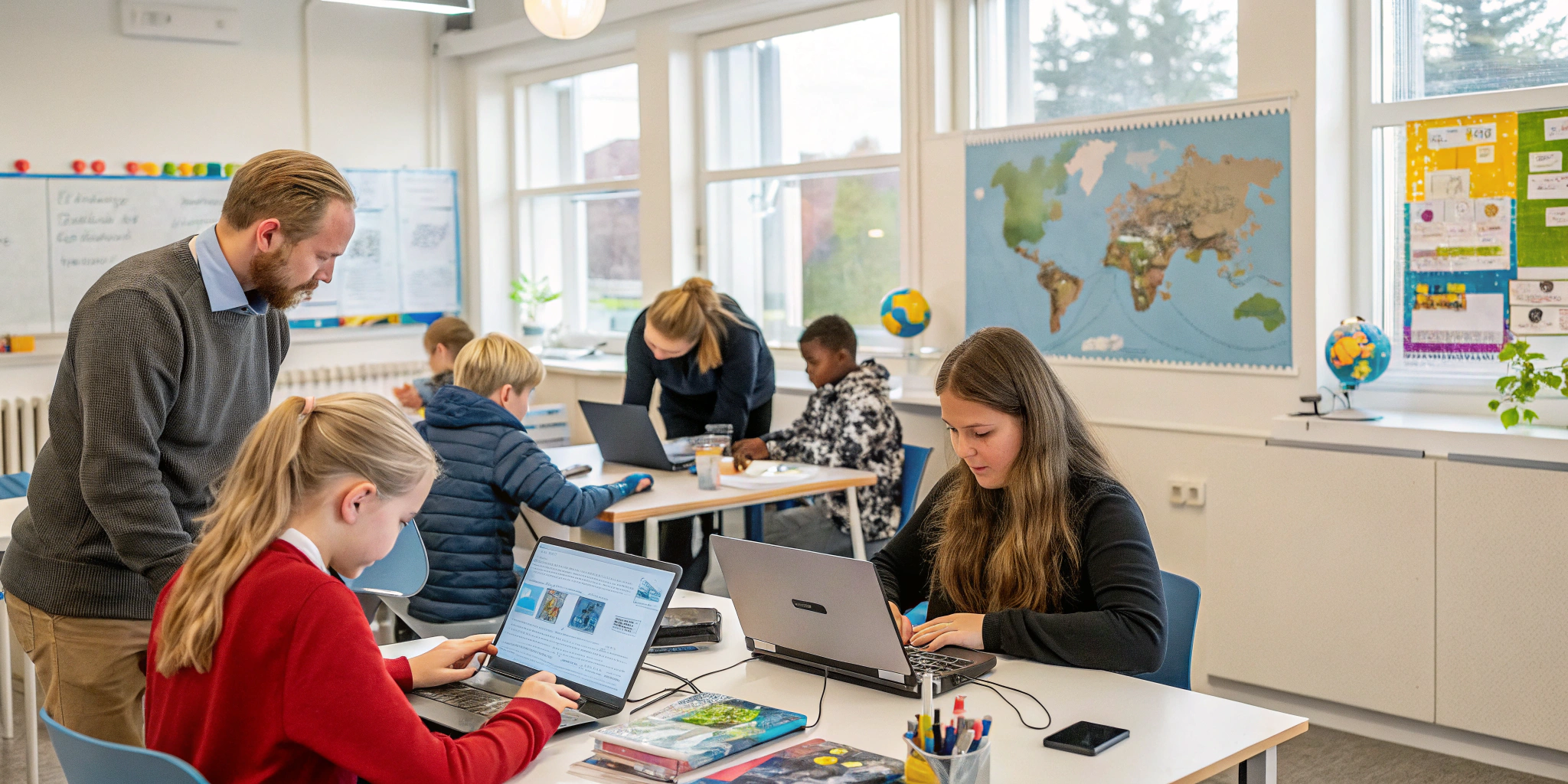
How Sweden’s Education System Encourages Innovation: A Model for International Education
- Emphasis on Research and Innovation
- Student-Centered and Flexible Learning Models
- Collaborative and Interactive Education to Enhance Innovation
- Integration of Technology and Modern Learning Tools
- Equality and Inclusion as Drivers of Innovation
- Early Empowerment and Choice Foster Innovative Thinking
- Summary: Key Takeaways
- Take the Next Step with Study in Sweden
Emphasis on Research and Innovation in Swedish Education
At the heart of Sweden’s educational success is its strong emphasis on research and innovation. From primary education to university level, students are not only encouraged but often required to engage in research projects and innovative tasks. This hands-on approach:
- Fosters critical thinking and problem-solving skills by involving students in real-world challenges.
- Encourages experimentation and creative risk-taking, essential ingredients for innovation.
- Creates a culture where questioning and intellectual curiosity are actively promoted, rather than discouraged.
For educational institutions and recruiters, this means that students from Sweden typically bring a research-oriented mindset and a readiness to contribute fresh ideas — qualities that are highly sought after globally.
Student-Centered and Flexible Learning Models
One of the defining features of the Swedish education system is its student-centered ethos. Unlike rigid, one-size-fits-all systems, Sweden offers students the freedom to choose their school — whether public or private — regardless of geographic location or socioeconomic background. This flexibility:
- Allows students to pursue educational environments that align with their aspirations and strengths.
- Encourages personalized learning pathways, adapting education to individual needs and goals.
- Empowers students to take ownership of their education, which enhances motivation and engagement.
For recruitment and admissions teams, this approach underlines the importance of offering diverse options and tailored support to prospective international students, ensuring they find programs that resonate with their ambitions.
Collaborative and Interactive Education to Enhance Innovation
Swedish schools emphasize collaboration and teamwork from an early age, cultivating interpersonal skills vital for innovation-driven environments. Key aspects include:
- Classrooms designed to promote group work and collective problem-solving.
- Curriculum activities that encourage students to communicate ideas effectively and respect diverse perspectives.
- Development of social skills that complement academic knowledge, preparing students for collaborative professional settings.
This framework equips students with both the hard and soft skills that employers and international academic programs find invaluable, highlighting why students educated in Sweden excel in globally interconnected careers.
Integration of Technology and Modern Learning Tools
Sweden’s reputation as a technologically advanced society is reflected strongly in its education system, where integration of digital tools is the norm. Nearly all students have access to their own computers and software, which supports:
- Interactive and creative learning experiences that engage students beyond traditional lectures.
- Development of essential digital literacy and IT skills needed for careers in innovation and technology.
- Facilitation of remote learning and global collaboration, important in today’s education and workforce landscapes.
For universities and recruiters focusing on digital transformation and automation in education, understanding Sweden’s seamless embedding of technology provides a blueprint for modernizing programs and improving student outcomes.
Equality and Inclusion as Drivers of Innovation
A foundational principle of Swedish education is the commitment to equality and inclusion. The system ensures equal opportunities regardless of gender, ethnicity, or socioeconomic background, promoting:
- A diverse student body whose range of perspectives fuels creative solutions.
- Educational settings where respect for differences and collaboration across cultures are the norm.
- Preparation of students to thrive in diverse, global teams and marketplaces.
This focus on equality aligns with international recruitment priorities that increasingly emphasize diverse and inclusive learning environments to enrich student experiences and innovation potential.
Early Empowerment and Choice Foster Innovative Thinking
Swedish students start with a broad-based curriculum but gradually gain the freedom to make educational and career choices at an age deemed appropriate. This approach:
- Provides a strong, well-rounded foundation in early years.
- Encourages students to explore interests before specializing, which fosters personal initiative.
- Helps learners develop confidence in making decisions that affect their futures.
Empowering students in this manner mirrors best practices across international admissions and recruitment sectors, where supporting student autonomy and informed choice leads to higher satisfaction and success rates.
Summary: Key Takeaways on How Sweden’s Education System Encourages Innovation
- Research and Innovation: Students engage actively in research and creative projects.
- Flexible Learning: Personalized education pathways empower student choice.
- Collaborative Skills: Early emphasis on teamwork cultivates communication and leadership.
- Technology Integration: Digital tools enhance interactive and modern learning experiences.
- Equality and Inclusion: Diverse backgrounds enrich the learning environment.
- Student Empowerment: Graduated freedom fosters responsibility and innovative thinking.
Together, these elements create an education system uniquely positioned to nurture innovation and prepare students for the challenges of the future — a compelling narrative for attracting and retaining international students.
Take the Next Step with Study in Sweden
If your institution or agency aims to harness the benefits of Sweden’s innovative education system for international recruitment and student success, contact Study in Sweden today. Our expertise in education leadership and international recruitment is designed to support your goals with tailored strategies and cutting-edge tools.